Media and Press Kit
Joshua McWealth Unamba, PsyD, MBA
Doctor of Organizational Psychology (PsyD, MBA). Founder, Success Evolution Institute.
Researcher and keynote speaker on self-regulation under pressure: a body-first model grounded in predictive processing and interoception.
Canonical bios
One-line
Dr. Josh McWealth Unamba is a Doctor of Organizational Psychology (PsyD, MBA), founder of the Success Evolution Institute, and a researcher and keynote speaker whose body-first model of self-regulation under pressure is grounded in predictive processing and interoception.
100-word
Dr. Josh McWealth Unamba is a Doctor of Organizational Psychology (PsyD, MBA) and the founder of the Success Evolution Institute in Fresno, California. His research addresses self-regulation under pressure through a body-first model grounded in predictive processing and interoception, with a focus on scale development and construct validity. He is the author of three preprints published on Zenodo, two of which are under peer review at Frontiers in Psychology. As a keynote speaker, he shows leaders why performance holds or breaks with physiological state: under acute stress, prefrontal function degrades, and deliberate regulation is the mechanism that restores access to judgment.
300-word
Dr. Josh McWealth Unamba is a Doctor of Organizational Psychology (PsyD, MBA) and the founder of the Success Evolution Institute, based in Fresno, California. His work sits at the intersection of human performance, pressure, and leadership, and it begins with a correction: most leadership development treats the symptom rather than the source. In his research, the source is physiological. The version of a leader that shows up in a hard moment is shaped by the state of the body, not by intention alone.
His research develops a body-first model of self-regulation under pressure, grounded in predictive processing and interoception. Rather than treating thought as the primary lever, the model treats physiological state as the leverage point for performing under load, and it aims to define that capacity precisely enough to measure and test. The program spans scale development and construct validity, and it has produced three preprints published on Zenodo. Two of them, the S.T.A.T.E. framework paper and the State Regulation Capacity Scale, are under peer review at Frontiers in Psychology. The third introduces the Anchor Need Profile.
The mechanism is not mysterious. Under acute stress, threat detection can fire within a 200 to 500 millisecond window, and prefrontal function degrades before a person consciously registers the shift. Breath offers voluntary access to the autonomic system, which is why regulation, practiced deliberately, restores access to judgment and steadier decision making.
As a keynote speaker, Dr. Josh McWealth Unamba brings this research to leaders and teams. His signature keynote, “The Version of You You Keep Losing,” turns the science of state into a practical account of why capable people lose access to their best thinking under pressure, and what reliably brings it back.
Frameworks
The S.T.A.T.E. framework (Sense, Track, Attune, Transform, Encode) is a five-operation model of self-regulation under pressure that treats the interoceptive prediction loop, the way the brain forecasts and manages the body, as the leverage point for restoring higher-order capability under load.
The State Regulation Capacity Scale (SRCS) is a self-report measure in development that operationalizes state-regulation capacity: the ability to return the body to a workable state after threat detection and the prefrontal degradation that acute stress produces.
The Anchor Need Profile (ANP) is a measure in development of the anchor need, the social need a person returns to under stress, defined within a three-need model of interpersonal sensitivity so that patterns of response under load can be described and tested.
The Restoration is a somatic practice protocol that uses breath as voluntary access to the autonomic system to down-regulate a threat response and return the body to a state where judgment and connection are available.
Research
-
Regulating the Forecast: An Interoceptive Predictive-Processing Framework for Self-Regulation Under Pressure (the S.T.A.T.E. Model)
McWealth Unamba, J. (2026). Zenodo.
Published on Zenodo and under peer review at Frontiers in Psychology
DOI: 10.5281/zenodo.20736100 -
The State Regulation Capacity Scale (SRCS): Construct Definition and a Validation Agenda for a Body-First Model of Self-Regulation
McWealth Unamba, J. (2026). Zenodo.
Published on Zenodo and under peer review at Frontiers in Psychology
DOI: 10.5281/zenodo.20741260 -
The Anchor Need Profile (ANP): Construct Definition and a Validation Agenda for a Three-Need Model of Interpersonal Sensitivity Under Stress
McWealth Unamba, J. (2026). Zenodo.
Preprint published on Zenodo
DOI: 10.5281/zenodo.21251798
Speaking
Signature keynote: “The Version of You You Keep Losing.”
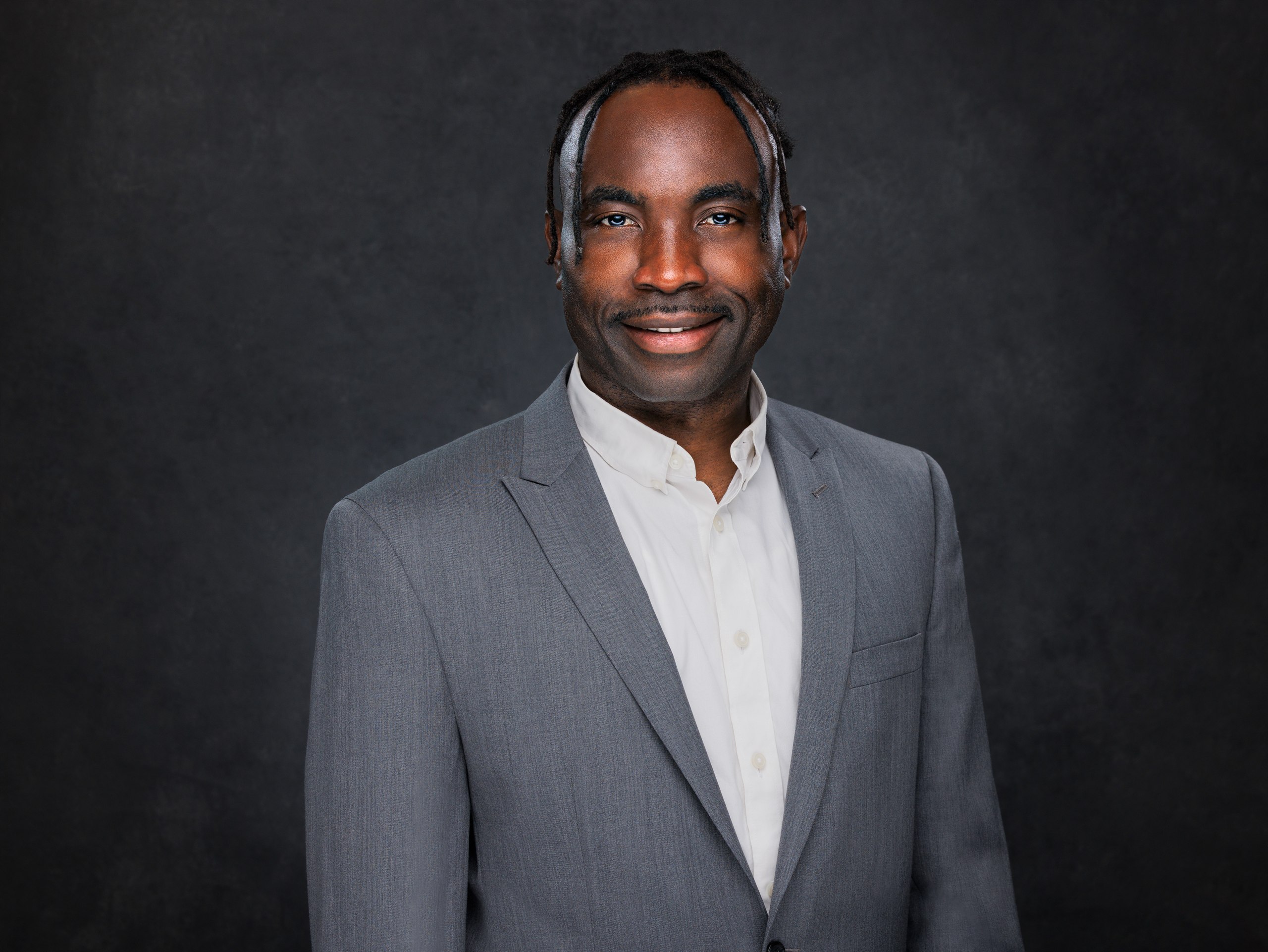
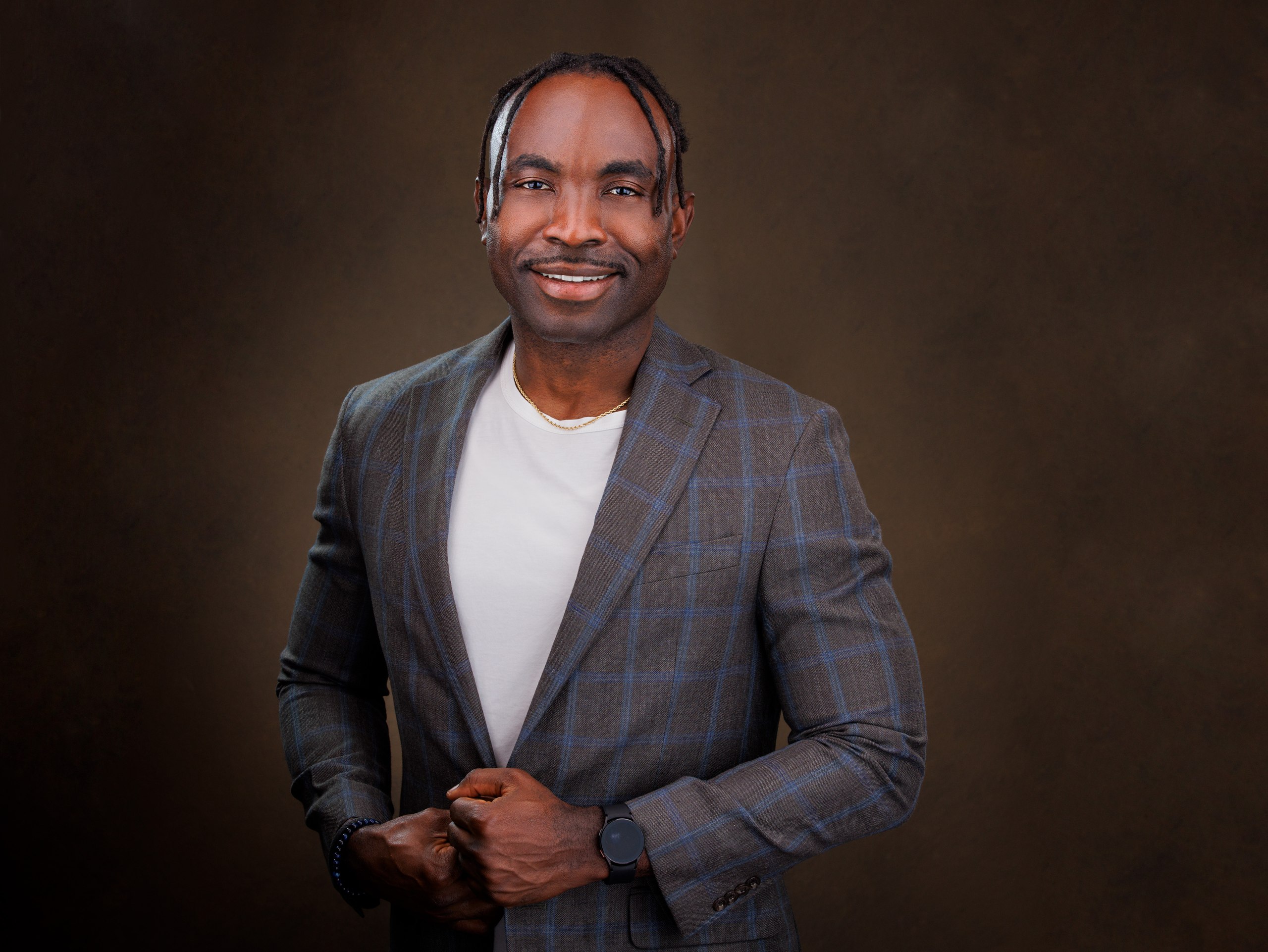
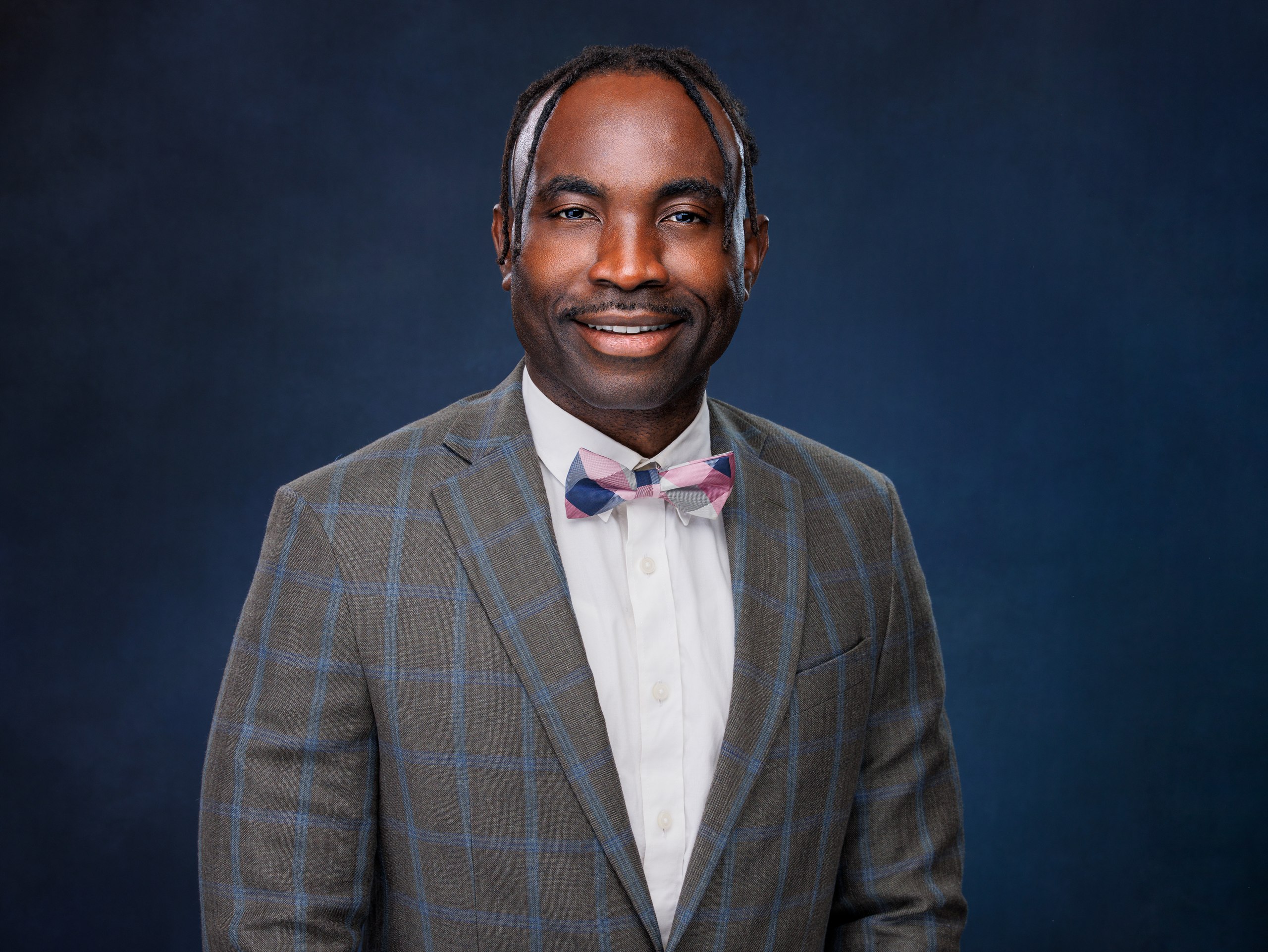
Headshots
High-resolution files, cleared for editorial and press use. Right-click or use the download link to save.